
In today’s digital world, content creation has been revolutionized by artificial intelligence (AI). Tools like ChatGPT, GPT-4, and other advanced language models can generate high-quality text in seconds, making writing faster and more efficient. However, this rapid advancement comes with a challenge: how can we tell whether a piece of text was written by a human or generated by AI?
This is where AI Content Detectors come in.AI Content Detector — Complete Guide to Detect AI-Written Text An also called an AI Text Detection Tool, AI Plagiarism Checker, or AI Content Checker Online — is a tool designed to analyze written text and determine the likelihood that it was produced by AI. These tools have become essential for educators, marketers, businesses, and content creators who want to ensure the authenticity and credibility of their content.
Why it matters:
- For educators, AI Content Detectors help verify student assignments and maintain academic integrity.
- For marketers and SEO professionals, they ensure that blog posts, articles, and social media content appear natural, engaging, and human-like, which is important for search engine rankings.
- For businesses and publishers, AI detection helps maintain trust, avoid misinformation, and ensure quality in reports, press releases, and corporate content.
In this comprehensive guide, we will explore:
- What AI Content Detectors are and how they work
- Popular tools and their features
- Accuracy, pros and cons, and limitations
- Best practices for using these tools effectively
- Frequently asked questions to help you understand and apply AI detection
By the end of this guide, you will have a deep understanding of AI Content Detector — Complete Guide to Detect AI-Written Text, how to use them correctly, and how they can benefit your content strategy while maintaining ethical AI usage.
What is an AI Content Detector?
An AI Content Detector is a tool designed to identify whether a piece of text is generated by artificial intelligence or written by a human. With AI writing models like ChatGPT, GPT-4, and other large language models (LLMs), distinguishing human text from AI Content Detector — Complete Guide to Detect AI-Written Text has become challenging.
Alternative Names:
- AI Text Detection Tool
- AI Plagiarism Checker
- Detect AI Written Content
- AI Content Checker Online
These tools analyze patterns in text—such as grammar, sentence structure, word frequency, and probability distributions—to determine if the content was generated by an AI Plagiarism Checker.
Why Use an AI Content Detector?
AI Content Detectors are essential in various fields:
- Education: Teachers can verify if students submit AI-written assignments.
- Marketing: Businesses ensure their content is original and not entirely AI-generated.
- Publishing: Editors check authors’ work for authenticity.
- SEO & Content Strategy: Maintaining Google-friendly content that is human-like improves rankings.
Key Point: AI-generated content may be informative but often lacks human nuance,AI Content Detector — Complete Guide to Detect AI-Written Text Summarize, creativity, and context. Detection ensures credibility and authenticity.
How AI Content Detection Works
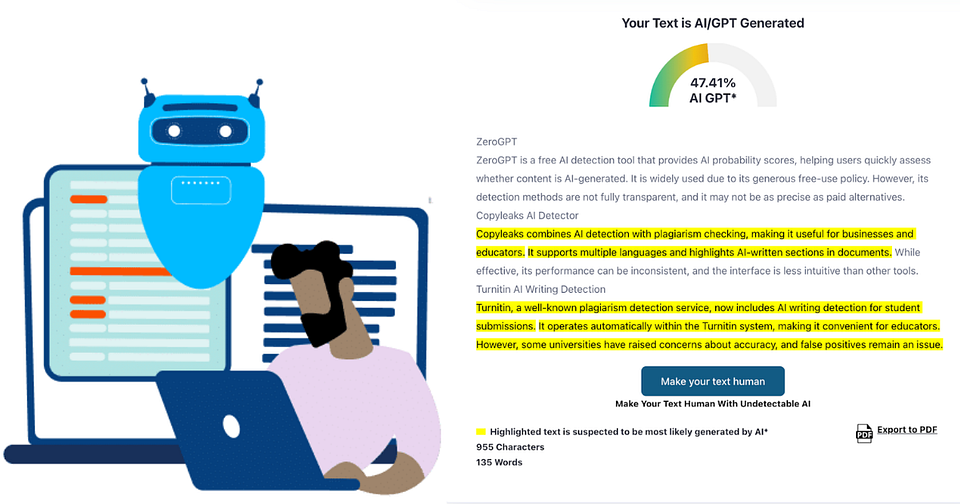
AI Content Detectors use multiple techniques to analyze text:
- Probability Analysis — AI writes in predictable patterns. Detectors check for word and phrase probability patterns.
- Perplexity Measurement — Low perplexity indicates text is AI-generated, while high perplexity is typical of human writing.
- Burstiness & Sentence Variation — Human writing has natural variation; AI-generated text can appear uniform.
- Stylometric Analysis — Examines style, tone, and syntax to identify AI patterns.
- Cross-referencing Databases — Some tools compare text with known AI-generated datasets.
Example: Tools like Open AI Text Classifier and GPT Zero analyze sentence patterns and flag AI Content Detector — Complete Guide to Detect AI-Written Text AI-generated content based on probability scores.
Types of AI Content Detection Tools
There are several AI detection tool categories:
4.1 Free Online Detectors
- Easy to access, browser-based.
- Example: GPTZero, Content at Scale AI Detector.
- Pros: Free, quick analysis.
- Cons: Less accurate for longer or nuanced text.
4.2 Paid Professional Tools
- Advanced analysis with higher accuracy.
- Example: Originality.ai, Copyleaks AI Detector.
- Pros: Higher accuracy, reports, API integrations.
- Cons: Subscription cost.
4.3 AI + Plagiarism Combo Tools
- Check both AI-generated patterns and text duplication.
- Example: Turnitin AI Detection, Quetext.
- Ideal for education and corporate compliance.
Features of the Best AI Content Detectors
When choosing a tool, look for:
- Accuracy Rate — Higher is better.
- Detection Speed — Instant analysis vs. batch processing.
- Integration Options — Google Docs, WordPress, LMS platforms.
- User Interface — Easy to use with clear reports.
- Multi-Language Support — Detect AI content in multiple languages.
- Custom Reports & Scores — Detailed probability percentages.
Pro Tip: Accuracy can vary depending on the AI model used to generate the text.
Accuracy of AI Content Detectors
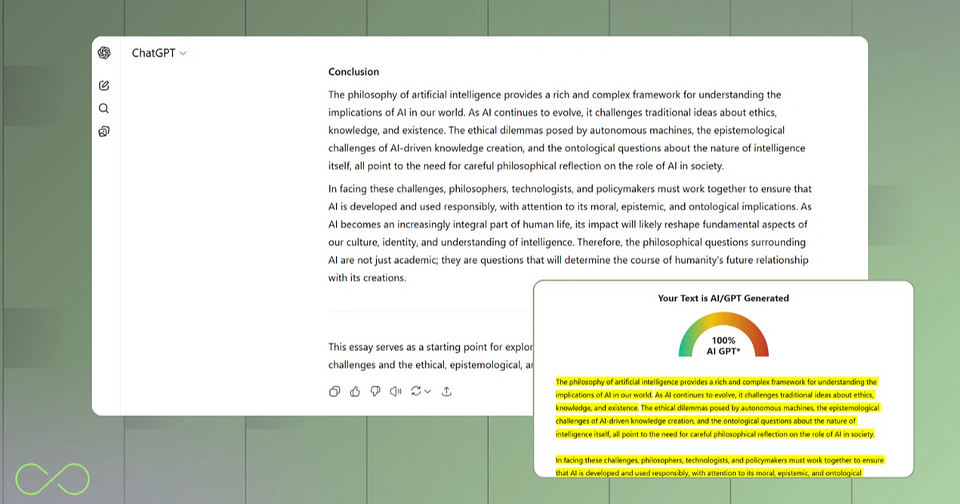
No AI detector is 100% accurate. Detection depends on:
- Text length: Longer texts are easier to analyze.
- Complexity: Creative writing may appear human even if AI-generated.
- AI model: Advanced models like GPT-4 can evade detection more easily.
Typical Accuracy: Free tools may range 60–80%, professional tools 85–95%.
Tip: Always combine AI detection with human judgment for best results.
Common Misconceptions About AI Detection
- Misconception 1: AI detectors can always tell AI content.
Reality: Some AI-generated content is indistinguishable from human writing. - Misconception 2: AI content is bad.
Reality: AI can assist writers, but detection ensures transparency. - Misconception 3: Plagiarism = AI content.
Reality: AI detection is separate from plagiarism checking.
Step-by-Step Guide: Using an AI Content Detector
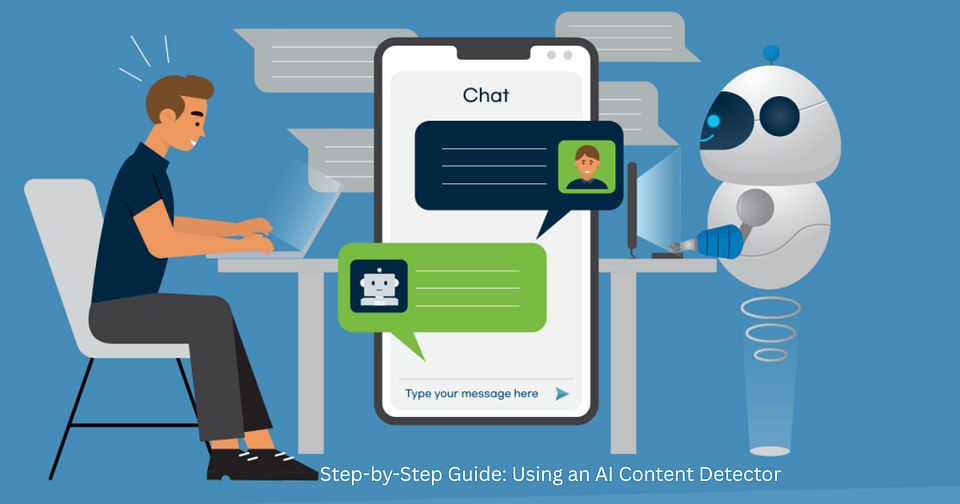
- Choose a reliable tool — Free or paid based on needs.
- Copy the text — Paste the content into the tool.
- Run the analysis — Some tools take seconds, others minutes.
- Check probability scores — Higher AI probability indicates AI-generated text.
- Review flagged sections — Optional for longer reports.
- Take action — Edit content or verify sources if needed.
Tip: Always cross-check AI probability scores with human review for accuracy.
AI Content Detector vs. Plagiarism Checker
| Feature | AI Content Detector | Plagiarism Checker |
| Purpose | Detects AI-written patterns | Detects copied text |
| Focus | Style, probability, sentence structure | Text duplication |
| Tools | GPTZero, Originality.ai | Turnitin, Copyscape |
| Output | AI probability score | Plagiarism percentage |
Insight: Many modern tools combine both functions for complete content verification.
Benefits of AI Content Detection
- Maintains content credibility and authenticity.
- Prevents academic dishonesty.
- Helps marketers produce human-like content for SEO.
- Supports ethical AI usage in business.
- Protects brand reputation online.
Limitations of AI Content Detection
- No tool is 100% accurate.
- Advanced AI models may bypass detection.
- Short texts are harder to analyze reliably.
- Language nuances can cause false positives.
- Dependency on tools can reduce critical reading skills.
Best Practices for Using AI Content Detectors
- Combine AI detection with human review.
- Use longer text samples for better accuracy.
- Check multiple tools if possible.
- Educate teams on ethical AI content use.
- Regularly update detection tools as AI models evolve.
Real-World Applications of AI Content Detectors
AI Content Detectors are not just theoretical tools — they are actively shaping multiple industries today. Their applications include:
15.1 Education Sector
- Teachers can verify assignments and essays submitted by students.
- Prevents misuse of AI writing tools in exams and homework.
- Some platforms integrate AI detection directly into LMS (Learning Management Systems).
Example: Turnitin’s AI detection feature flags suspicious sentences while providing a probability score, helping educators review content efficiently.
Marketing & Digital Agencies
- Ensures blog posts, social media content, and newsletters maintain a human tone.
- Helps improve engagement metrics — human-like content performs better on social media.
- Avoids penalties from search engines, as Google favors natural, human-like content.
15.3 Journalism & Publishing
- Detects AI-generated news or articles to maintain credibility.
- Editors can use AI detection before publication to ensure ethical reporting.
- Prevents misinformation or low-quality AI-written articles from spreading.
15.4 Corporate & Legal Compliance
- Businesses can ensure contracts, reports, and internal communications are human-reviewed.
- Reduces risks of misrepresentation from fully AI-generated documents.
- Some compliance departments integrate AI detection with document management systems for auditing.
Popular AI Content Detection Tools
Here’s a list of widely used AI detection tools along with their features:
| Tool Name | Key Features | Free / Paid | Accuracy |
| GPTZero | Sentence complexity analysis, burstiness detection | Free | Medium (70–80%) |
| Originality.ai | AI detection + plagiarism, SEO-friendly | Paid | High (90–95%) |
| Copyleaks AI Detector | AI & plagiarism detection, API integration | Paid | High (85–92%) |
| Content at Scale AI Detector | Instant AI detection for blogs | Free / Paid | Medium-High (75–85%) |
| Turnitin AI Detection | Academic focus, LMS integration | Paid | High (88–95%) |
In-Depth Analysis: How AI Detectors Measure “AI-ness”
Detection tools don’t just guess — they rely on measurable patterns. Some of the main techniques include:
17.1 Probability & Predictability Analysis
- AI text tends to follow predictable word patterns.
- Detectors calculate the probability of a word following another.
- Lower variation = higher chance of AI authorship.
17.2 Perplexity & Burstiness
- Perplexity measures text unpredictability. Low perplexity often signals AI writing.
- Burstiness measures sentence variation — humans naturally vary sentence length and structure.
17.3 Stylometry & Linguistic Fingerprinting
- Analyzes writing style, grammar patterns, and punctuation.
- Helps detect subtle AI writing patterns even in edited content.
17.4 Database Cross-Checking
- Some advanced detectors compare the text against known AI outputs.
- Highlights phrases or sections that resemble AI-generated content.
Pros & Cons of AI Content Detectors
18.1 Pros
- Enhances trust and credibility in online content.
- Helps educators prevent academic misconduct.
- Supports ethical AI adoption in businesses.
- Improves SEO and readability by ensuring human-like content.
- Quick and automated analysis for long texts.
18.2 Cons
- Accuracy is not perfect; human review is still essential.
- Advanced AI tools can bypass detection.
- Short texts are harder to detect.
- False positives can occur in non-native writing.
- Continuous updates required to keep pace with AI models.
Best Practices for Accurate AI Content Detection
- Use longer text samples — Detection accuracy improves with length.
- Combine multiple tools — Cross-check results for reliability.
- Educate teams — Teach writers about ethical AI use and detection.
- Monitor AI evolution — Advanced AI models require updated detectors.
- Use probability scores wisely — Avoid assuming AI authorship based on a single metric.
- Document detection results — For academic or business compliance purposes.
Future of AI Content Detection

As AI writing becomes more sophisticated, AI detectors will also evolve. Future trends may include:
- Real-time detection in text editors — Detect AI content as it’s being typed.
- Integration with SEO tools — Optimize content for search engines while checking for AI-generated text.
- Multilingual detection — Detect AI content in global languages with high accuracy.
- AI-generated content certification — Tools may provide a “human-verified” score for content authenticity.
- Ethical AI adoption standards — Guidelines to balance AI assistance with human creativity.
Conclusion
AI Content Detectors have become essential tools for maintaining content authenticity and credibility in the digital age. They help educators, marketers, publishers, and businesses identify AI-generated text and ensure that content remains human-like and trustworthy. While no detection tool is 100% accurate, combining aI text detection tool with human review significantly improves reliability. These tools not only protect academic integrity and brand reputation but also enhance SEO and reader engagement by ensuring content flows naturally.
Using AI Content Detectors responsibly allows creators to leverage AI efficiently while maintaining ethical standards. They are particularly useful in AI Content Detector — Complete Guide to Detect AI-Written Text ,education, marketing, publishing, and corporate communications, where originality and credibility are critical. As AI technology continues to advance, detection tools will evolve with features like real-time analysis, multilingual support, and integration with content management systems. Ultimately,AI Content Checker Online,AI Content Detectors are not about banning AI — they are about ensuring transparency, trust, and quality in digital content.
(FAQs)
What is an AI Content Detector?
An AI Content Detector is a tool that analyzes text to determine whether it was likely generated by AI. It examines sentence structure, word patterns, style, and probability scores to identify AI-written content.
How accurate are AI Content Detectors?
Accuracy varies depending on the tool, text length, and AI model used. Free tools may have 60–80% accuracy, while professional tools like Originality.ai or Turnitin can reach 85–95%. Combining detection results with human judgment improves reliability.
Can AI Content Detectors detect edited AI content?
Partially. Minor edits may reduce detection accuracy, but most tools can still identify patterns typical of AI-generated text, especially in longer passages.
Are AI Content Detectors free?
Some tools are free with limited functionality, like GPTZero, while professional tools like Originality, Copy leaks, or Turning require paid subscriptions for advanced features and higher accuracy.
What’s the difference between AI detection and plagiarism checking?
AI detection identifies text likely written by AI, whereas plagiarism checkers detect copied content from other sources. Some modern tools combine both functionalities for comprehensive content verification.
Can AI Content Detectors help with SEO?
Yes. Ensuring that content is human-like improves engagement, readability, and Google rankings. AI detection helps writers maintain a natural tone and avoid overly AI-generated text, which may affect SEO.
Do AI Content Detectors work in multiple languages?
Some advanced tools support multiple languages, but most AI detection tools perform best with English content. Non-native or highly structured text may sometimes produce false positives.